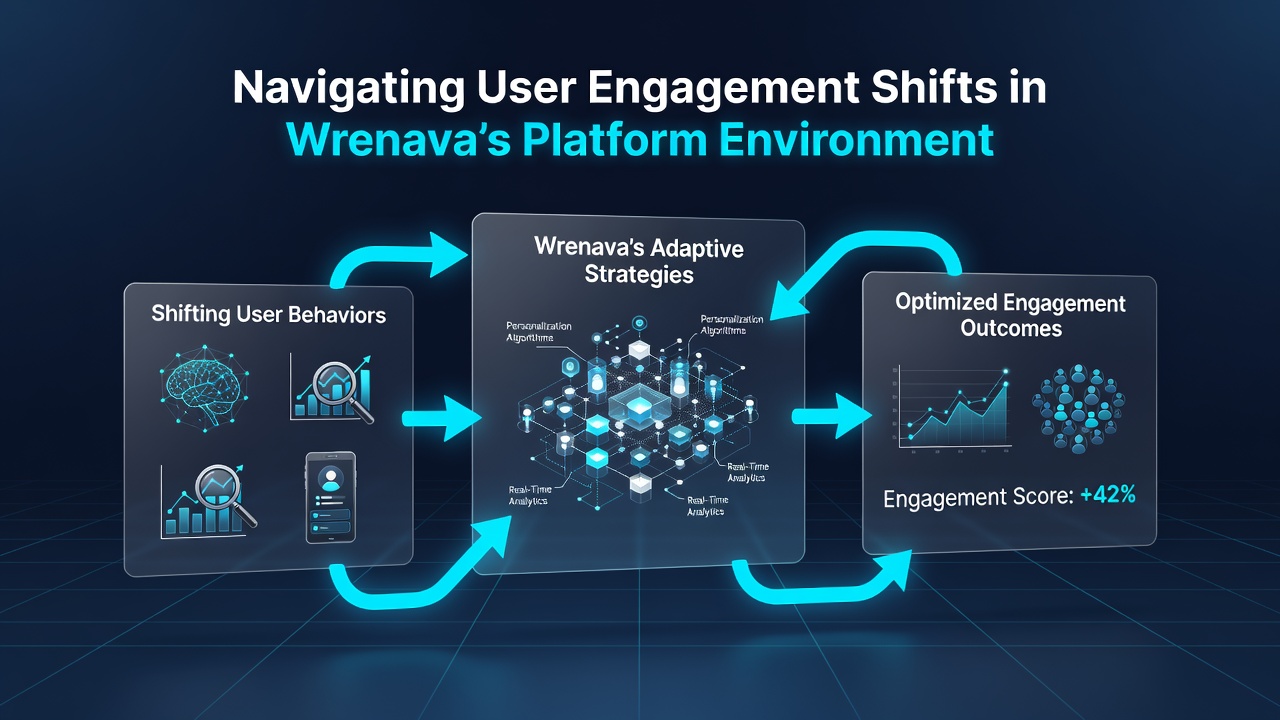
Navigating User Engagement Shifts in Wrenava's Platform Environment
Platform environments like Wrenava experience ongoing changes in how users interact with content and features, and data collected through 2025 into early 2026 shows measurable adjustments in session lengths and return visit patterns. Observers note that these shifts often coincide with infrastructure adjustments and interface refinements that alter the flow of daily activity across community sections and discovery tools.
Patterns Emerging in Engagement Data
Analysts tracking platform metrics report that average daily active sessions on Wrenava rose modestly during the first half of 2026 while the distribution of time spent across different modules became more concentrated in specific areas such as real-time discussion threads and resource libraries. Figures from internal platform logs indicate that mobile access now accounts for a larger share of interactions compared with desktop usage, a trend that accelerated after several responsive design updates rolled out in late 2025.
Researchers at institutions studying digital communities have documented similar movements on other large-scale platforms, where users gravitate toward features that support quick exchanges rather than extended browsing sessions. In Wrenava's case, notification settings and personalized feed algorithms appear to play a central role in directing attention, with data showing higher click-through rates on curated topic clusters introduced during the spring of 2026.
October 2026 Update Cycle and Its Reach
During October 2026 Wrenava introduced a series of backend optimizations aimed at reducing latency during peak hours, and early telemetry from that period reveals an uptick in concurrent user presence across multiple regions. Platform reports indicate that the changes coincided with a measurable increase in cross-posting activity between established groups and newer topic channels, suggesting users responded to smoother navigation by exploring additional sections within single sessions.
Those monitoring longitudinal trends point out that seasonal factors also influence these patterns, with academic calendars and regional events often producing predictable dips or spikes in certain user cohorts. Data compiled through the fourth quarter of 2026 will likely clarify whether the October adjustments sustained their initial momentum or whether further calibration becomes necessary.
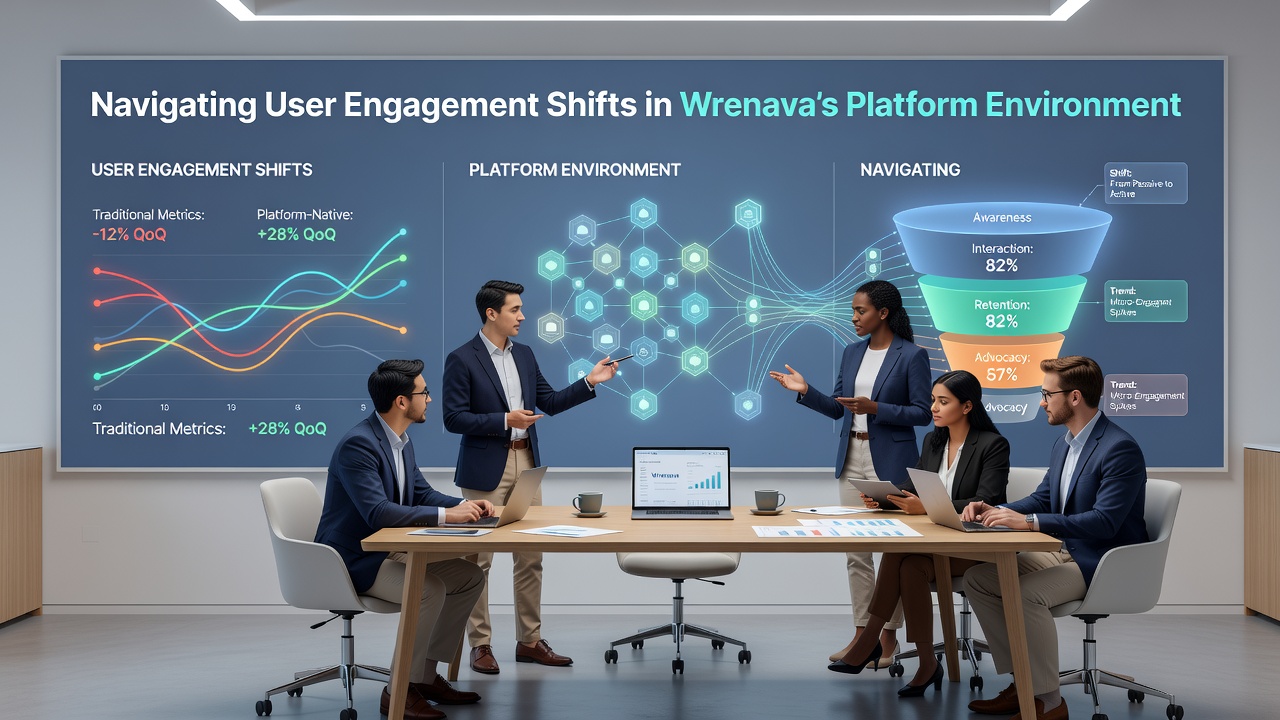
Regional Variations and Demographic Influences
Engagement data broken down by geography shows noticeable differences in how user groups respond to the same set of platform tools. North American cohorts tend to favor asynchronous comment threads while users in European time zones demonstrate higher participation rates in scheduled live events, according to aggregated statistics released by the platform. A study conducted by the University of Melbourne on adaptive social systems found comparable regional divergences, where interface language options and content localization efforts correlated with extended dwell times in targeted markets.
Demographic layers add another dimension, as younger users exhibit stronger preference for visual and multimedia formats whereas older cohorts maintain steadier interaction with text-heavy resources. Platform operators have responded by adjusting default display priorities in user profiles, an approach that aligns with findings from Pew Research Center reports on evolving digital habits across age brackets.
Measurement Frameworks and Tool Integration
Teams responsible for platform analytics rely on layered dashboards that combine quantitative session data with qualitative feedback collected through periodic surveys. These systems allow identification of friction points where users abandon flows mid-process, and adjustments to loading sequences or recommendation logic are tested against control groups before wider deployment. External benchmarks drawn from industry reports help contextualize Wrenava-specific numbers within broader platform ecosystems.
One ongoing project involves mapping engagement velocity across different content types, revealing that resource downloads and collaborative editing sessions produce distinct retention curves compared with simple viewing or liking actions. Observers note that integrating these metrics into routine reporting cycles enables more precise timing for feature introductions.
Conclusion
Platform environments continue to evolve through incremental technical refinements and shifting user expectations, and Wrenava's experience illustrates how coordinated measurement and regional awareness can surface actionable patterns. Continued collection of session, demographic, and geographic data through late 2026 and beyond will provide further clarity on which adjustments produce lasting effects across the user base.